Author: assortedgoods

  • What Causes a Brain Freeze?

    What Causes a Brain Freeze?

    Summer is the season of ice cream treats and ice-cold drinks, and that means one thing: Brain freezes. Technically called “sphenopalatine ganglioneuralgia” (say that 10 times fast!), brain freezes are a common experience when ingesting frigid foods. But why do they happen, and how can you make them stop?

    The Science Behind the Phenomenon

    Brain freezes start in the roof of your mouth, where there are plenty of blood vessels and nerve endings prone to drama. When cold hits this area, these blood vessels quickly constrict, causing them to shrink.

    The body reacts to this, overreacting really, and forces the blood vessels to re-widen in an attempt to restore warmth. This causes felt pressure and a rebound effect.

    Next, enter the trigeminal nerve, the largest cranial nerve! This nerve is responsible for facial sensations and facial pain. When a brain freeze occurs, the trigeminal nerve gets confused and assumes the pain is coming from your forehead rather than the roof of your mouth. This refers the pain to your temples and causes the sharp, stabbing headache brain freezes are infamous for.

    How to Freeze a Brain Freeze

    Brain freezes only last about 20-30 seconds, so knowing how to stop them isn’t exactly imperative to going on with your day. But even 20 seconds can feel like a long time when the pain is extreme. So, if you’re looking to freeze the freeze immediately, the following tips might help:

    • Press your tongue against the roof of your mouth
    • Sip warm water
    • Cover your mouth and breathe through your nose

    Of course, you might avoid brain freezes altogether by eating cold foods and drinking cold drinks slowly.

    Interesting tidbit: Brain freezes are common in humans, but it’s hypothesized that they don’t happen in animals, at least not in the same way. This might be due to different pain expressions among species or simply because animals don’t press food against the roofs of their mouths; as pet owners know, they gulp their food quickly, as if it will magically disappear into thin air at any moment.

    I scream. You scream. We all scream for ice cream….and now you know why!
  • The Birth of BUBS: How This Swedish Candy Swept Across the US

    The Birth of BUBS: How This Swedish Candy Swept Across the US

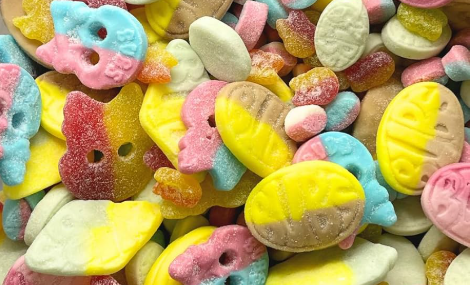
    BUBS might be all the rage in the modern-day candy shop, but its sweet beginnings date back over 30 years. The company was founded in 1992 in Huskvarna, Sweden, by the Lindstrom family, who mortgaged their home to pursue their sweet dreams.

    From the start, BUBS became known for its confectionery creativity, embracing whimsical flavors, fanciful shapes, and neon colors that stood out from the candy crowd.   

    But exactly how did BUBS get so big?

    The Saturday Candy Tradition

    Candy is a tradition in Sweden. Lördagsgodis, which is Swedish for “Saturday Candy,” is a weekly occurrence where children and adults are encouraged to indulge in candy on Saturdays. 

    The concept behind this tradition is, perhaps surprisingly, based on health: Children are encouraged to eat candy on Saturdays so they don’t eat it the rest of the week (easier said than done, of course). As a result of Saturday candy, Sweden is one of the largest consumers of candy in the world.

    Enter BUBS

    BUBS and other Swedish brands benefited from a well-established candy culture, which helped spearhead their popularity. 

    Naturally, BUBS’s presence on social media certainly didn’t hurt. TikTok, especially, was indispensable in bringing BUBS into the mainstream. 

    One influencer, a TikToker known as Mary Grace Graves, filmed herself filling bags with BUBS at a Swedish candy shop located in New York City. One of her posts reached over a million people, spurring her followers to get involved. 

    Other influencers began posting reviews, rating everything from texture to color. They also began imbibing in live taste tests and posting videos, attempting to convince others to give BUBS a try.

    Foam Sweet Foam

    BUBS’s unique, foam-like texture is one of the elements that make the candy so appealing. The texture is soft, chewy, and slightly spongy, often described as a blend between a gummy bear and a marshmallow. 

    The differing texture is the result of how BUBS are made (with a vegetable-based gelatin). BUBS are vegan, in case you’re wondering….they’re gluten-free, too. 

    Variety is the Spice of Life

    BUBS comes in a variety of flavors, making sure your cravings are covered. Flavors range from sweet and sour to salty and include everything from raspberry, watermelon, and cola to bubblegum. 

    While BUBS is known for its foamy texture (as mentioned above), other textures are also available, including firmer or jelly options.

  • 5 Sweets That Are Discontinued (Or Nearly Impossible to Find)

    5 Sweets That Are Discontinued (Or Nearly Impossible to Find)

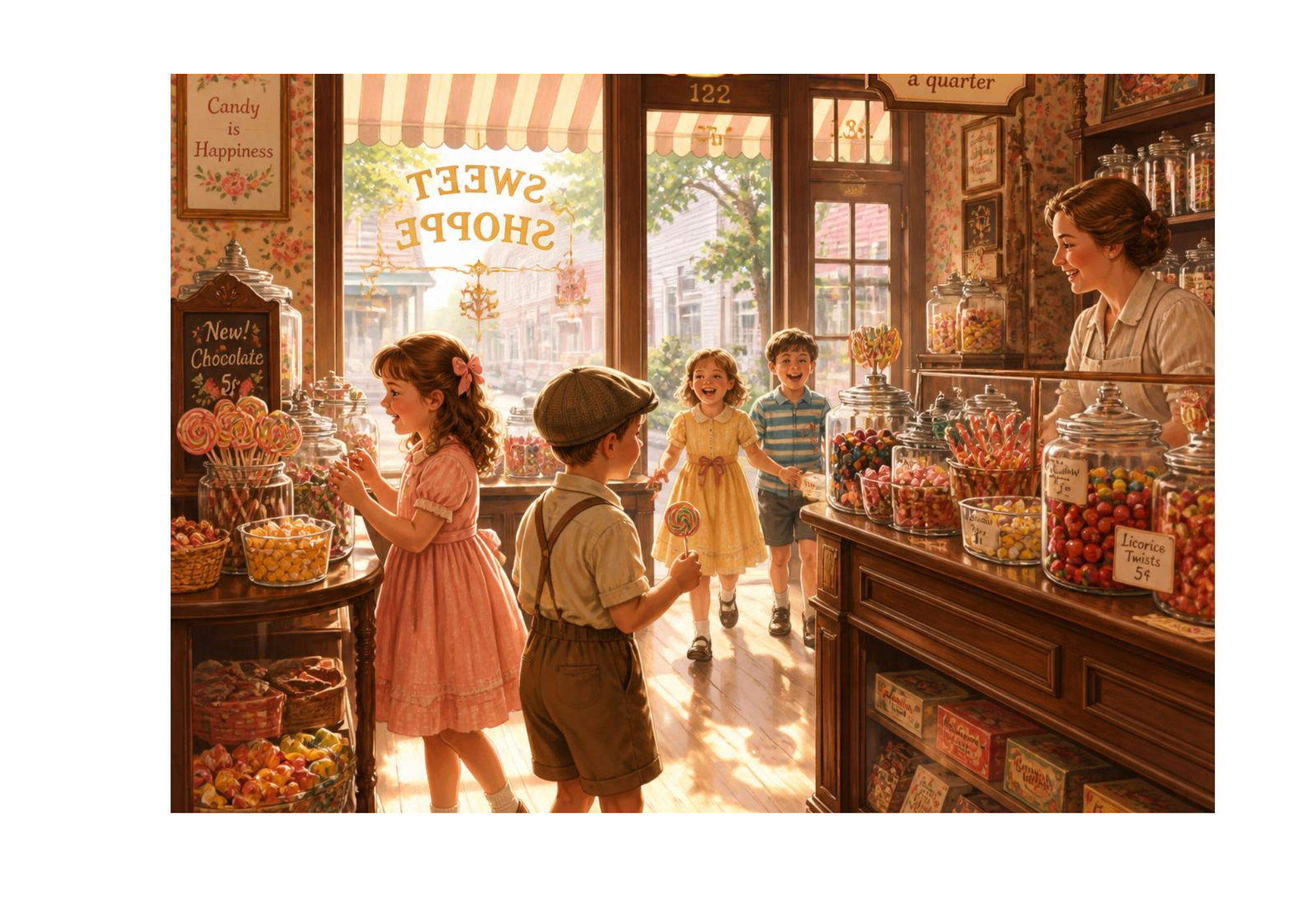
    One step inside our store and it becomes obvious: Sweets abound. Chock-full of chocolate and filled to the brim with tasty treats, sugary goodness fills aisles and shelves. But this doesn’t mean we don’t miss the candy brands of yore—bars, chews, and other goodies that have gone to that giant candy shop in the sky.

    Stroll down memory lane and take a moment to remember these gems of products past:

    Cosmic Candy 

    Cosmic Candy was a short-lived candy that popped and crackled, similar to Pop Rocks. However, it had an extraterrestrial twist and branding full of stars, rockets, galactic imagery, and space-age antics. 

    Cosmic Candy was launched in 1978, during a time when excitement surrounding NASA and space exploration was high, with the moon landing having occurred less than a decade earlier. Due to unfounded safety rumors and sluggish sales, its popularity eventually came crashing down to earth, and those seeking a CO2-meets-candy experience returned to Pop Rocks instead.  

    BarNone

    Hershey’s introduced BarNone in 1987. The company reformulated the bar a few years later, adding caramel and a different texture. Still, the public didn’t love the new recipe, and it disappeared from the market after declining sales.

    In the 2010s, BarNone was relaunched, not by Hershey’s but by Iconic Candy (a company that purchased the original recipe and bought the rights). Thanks to its rebirth, you can find it in its original form online and in certain specialty stores, although its availability varies. 

    Squeezits

    Ask any child of the 80s, and chances are, they drank a Squeezit or 20 on a scorching summer afternoon. Squeezits were made by General Mills, launched in 1985, and available in cherry, grape, punch, strawberry, and mystery flavors. They were wildly popular for a few years before plummeting sales met them in the 90s. 

    The emergence of juice pouches (which fit more easily inside school lunchboxes) and parental desire for less sugary drinks squeezed out Squeezits. They’re no longer available today, but you can find used Squeezit bottles on places like eBay (which sell for hundreds of dollars, for some reason).

    Pudding Pops

    Pudding Pops were a mainstay of freezers in the 80s. Essentially frozen pudding on a stick, these pops came in chocolate, vanilla, and swirl flavors. They were discontinued in the early 90s when consumer preferences no longer supported their production. Competition, in the form of frozen yogurt, fruit bars, and novelty treats, also saturated the market. 

    You can’t find pudding pops in grocery stores today (we’ve tried!), but you can whip them up at home. There are several easy-to-make recipes online.

    Bonkers 

    Made by Nabisco, Bonkers were as famous for their commercials as they were for their flavors. Fruity squares with a juicy filling, these chews were staples of 80s candy stores and checkout aisles. They came in various flavors, including grape, strawberry, lemon, cherry, and watermelon, and left indulgers looking up for giant pieces of fruit falling from the sky.

    Bonkers disappeared from the market in the 1990s but enjoyed a bit of a resurgence in the following decade. Today, they’re almost impossible to find. Some novelty shops online claim to sell them, but they’re nearly always out of stock. If you ever do get your hands on a pack, check the expiration date before ingesting.

  • The Roots of Trick-or-Treating: How Halloween Tradition Came a’Knocking

    The Roots of Trick-or-Treating: How Halloween Tradition Came a’Knocking

    While taking candy from strangers is discouraged 364 days of the year, Halloween turns the tables. In fact, trick-or-treating is such a staple of our culture that it’s practically a rite of childhood (or adulthood for grown-ups who have really good costumes). 

    But where did this concept originate, and how did it become a vital part of autumn?

    Read on to learn why asking for Airheads and begging for Baby Ruths isn’t just tolerated on October 31st; it’s invited. 

    Trick-or-Treating’s Celtic Roots

    Trick-or-Treating is believed to date back 2,000 years, all the way to the Celtic festival of Samhain (celebrated in Ireland and Scotland). This celebration acknowledged the end of the harvest on a night when it was believed spirits roamed the earth.

    To appease these spirits, or perhaps keep them out of the attic, and summon protection for the upcoming winter, people left food outside their homes. Costumed visitors began consuming these offerings, and the foundation of trick-or-treating was laid.

    Enter the Middle Ages

    During the Middle Ages, other traditions that foreshadowed modern-day trick-or-treating emerged. One of these was a Christian tradition where poor villagers and children walked door to door on All Souls’ Day, offering prayers for deceased loved ones in exchange for cake. 

    This era also saw guising develop in Ireland and Scotland. Children would dress up in costumes, perform tricks, act out scenes, or recite verses. In appreciation for the live entertainment, they were gifted food, sweets, and coins. 

    Halloween in the USA

    Fast forward to the 19th Century when European immigrants, especially those from famine-stricken Ireland, began arriving in America in droves, bringing their Halloween traditions with them. 

    Most early Americanized versions of trick-or-treating focused on parties, games, pranks, and neighborhood gatherings. The pranks, in particular, escalated, forcing communities to find a safer, less damaging way to celebrate. 

    Trick-or-Treaters Come a’Knockin

     By the 1920s and 1930s, trick-or-treating as we know it today began to take shape. The practice surged in popularity, although World War II temporarily interrupted the revelry due to sugar rationing. Unsurprisingly, candy companies were instrumental in taking trick-or-treating into the mainstream. 

    While the costumes have changed over the years, and often follow trends and fads, many of the unwritten rules remain the same: If you go out driving, watch for kids on residential and city streets; if you leave your porchlight on, expect trick-or-treaters; and if you hand out raisins, get ready to be egged.

    Stop by our shop to stock up on trick-or-treat goodies. From full-size candy bars to fudge, lollipops, novelties, and more, we can help make your house the most popular one on the block.

  • Cracking the Code: How Egging Houses Became a Prankster Pastime

    Cracking the Code: How Egging Houses Became a Prankster Pastime

    Halloween doesn’t simply present the threat of ghosts and goblins; for homeowners, rabid rolls of toilet paper and wayward eggs often feel scarier. Eggs, in particular, leave many of us shellshocked — and not just because of their cost. 

    Cleaning up a freshly egged house is messy, time-consuming, and a giant waste of omelet potential. All this begs the question: How did egging become a thing, and how can you make sure your home doesn’t fall victim to this unique game of chicken?

    Eggs as a Symbol

    For centuries, eggs have symbolized fertility, renewal, and hope; breaking those eggs, conversely, has summoned mockery, disruption, and humiliation. 

    Hundreds of years ago, eggs were thrown at prisoners as a form of punishment. They were hurled at performers, too, especially during the Elizabethan era, when theatergoers tossed rotten eggs, tomatoes, and other produce at poorly received performances. 

    Fast forward to modern day, when this symbolism merged with mischief to become a mainstay of Halloween and a favored teenage pastime. 

    Halloween’s Havoc

    Before Halloween became synonymous with candy, it was known for its prank propensity. Halloween night was a time when the usual civil rules of social order loosened, inviting people to revel in their rebellion all in good fun.

    As these pranks escalated, other forms of celebration were implemented to staunch the antics (which is how trick-or-treating took off). Egging houses, however, slipped through the cracks, turning into an October 31st tradition.

    One reason for its staying power is that egging is an accessible form of mischief: You can find eggs at any supermarket, they’re easy to buy, they’re easy to throw, and they leave a mark (allowing mischief-makers to admire their handiwork). 

    Egging homes, while homeowners might disagree, also maintains a semblance of playfulness; at the very least, it feels more benign than throwing eggs at people, pets, wild animals, or car windows.  

    Of course, houses are also easy targets; They’re big, they can be approached late at night, and they can’t run away or name names. This allows for anonymity, something coveted by any proper prankster. 

    How to Dodge this Birdie Bullet

    It’s not always possible to avoid an egging; if someone really wants to egg your house, chances are they’ll find a way (security cameras or not!). Sometimes, eggings may even be jokes (i.e., yolks) among friends, something the thrower believes is a rite of relationships, although a home’s siding says otherwise. 

    Even so, one of the best ways to avoid being a literal mark is by handing out quality candy. In other words, don’t swap out the Rolos for raisins. Don’t exchange Pez for pencil erasers. And don’t offer toothbrushes instead of Twizzlers. 

    If you plan not to hand out any candy at all, turn off your porchlight, at least until 10:00 PM or so. The unwritten rules of Halloween dictate that an illuminated porchlight means trick-or-treaters are welcome. 

  • The Most Popular Summertime Candies

    The Most Popular Summertime Candies

    No matter where you stand on the confectionary continuum, whether you’re a sucker for suckers, a chocolate connoisseur, or you have a soft spot for hard candy, summer is the perfect time to indulge your sweet tooth and tap into nostalgia one bite at a time.  

    Apologies to candy canes and no offense to Butterfinger, but certain candies are meant to shine during long days and warm weather.

    A few of these high-season handfuls include the following: 

    Lollipops

    Lollipops are a summertime favorite because of their portability and resistance to melting under the blazing sun. They also come in various flavors, from sweet and fruity to tart and tangy, catering to a wide range of taste preferences. 

    Fun fact: The lollipop was invented in 1908 (and named after a racehorse). However, people in China, Egypt, and Arabia began coating fruits in honey and putting them on sticks during ancient times, laying the foundation for this modern-day treat.

    Licorice

    Like lollipops, licorice isn’t prone to easily melting, making it a good summer solution for a raging sweet tooth. While red and black varieties are the most well-known, licorice is more versatile than its roots suggest: It also comes in chocolate, tropical, and cinnamon flavors (and more!). 

    Fun fact: Whether or not you like black licorice often comes down to genetics. While scientists have yet to discover a “licorice gene,” they believe hereditary factors play a role in how sensitive someone is to bitter compounds. This is why people tend to either hate black licorice or love it, with very little middle ground. 

    Saltwater Taffy

    Taffy has pull all year long, but there is something about warm weather that summons images of beachside boardwalks and the feeling of sand between your toes. Taffy’s versatility is another perk; this ooey-gooey goodie is available in tons of flavors, from traditional taste-bud pleasers to out-of-the-box indulgences. 

    Fun fact: Saltwater taffy isn’t actually made with saltwater. The moniker was part of an 1800s marketing gimmick thought up by an Atlantic City candy shop. The name stuck, and taffy’s long-standing connection to coastal cities buoyed this briny tale. 

    Gummy Bears

    M&Ms might have seized the tagline, but it’s really gummy bears that melt in your mouth and not in your hand. A sugary, sweet, chewy, and light bite, gummy bears make for enjoyable eats on muggy days. 

    Fun fact: Gummy bears were invented in Germany by Hans Riegel (the founder of Haribo). Other candies that originated in Germany include Werther’s Original, Ritter Sport, and Mamba fruit chews. 

    Fun Dip

    To adults, Fun Dip seems like little more than a bag of sugar and a piece of chalk, but red, purple, and green fingertips are a rite of passage in childhood. A candy synonymous with lazy afternoons and Little League games, Fun Dip is among the most popular summertime snacks of all time.  

    Fun fact: Fun Dip isn’t just delicious; it’s devious. It uses a type of powdered sugar that sticks to the tongue, making the flavors longer-lasting and more appealing to sweet fiends. 

  • A Cocoa Caress: Why Chocolate Completes Us

    A Cocoa Caress: Why Chocolate Completes Us

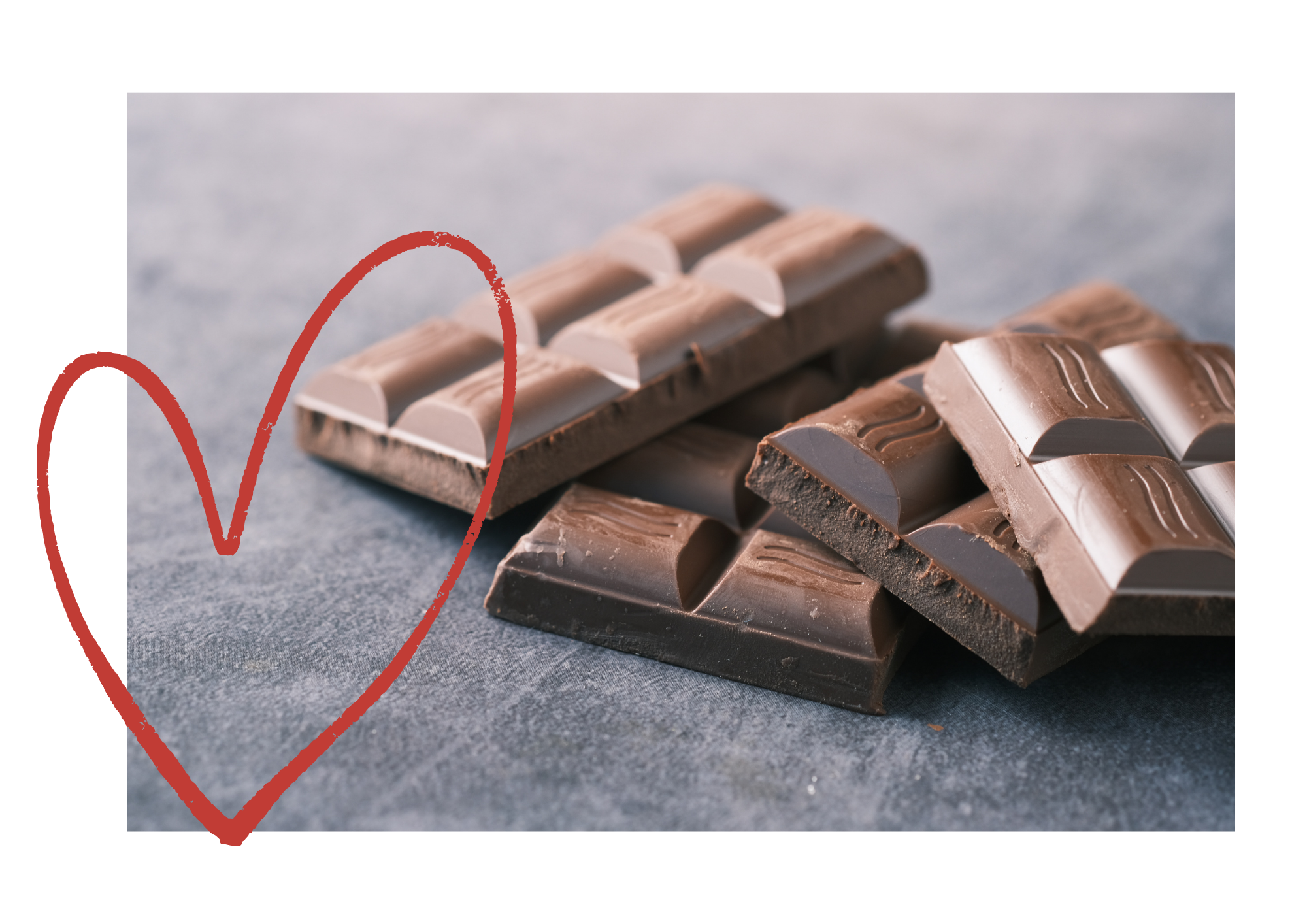
    There’s a reason why we want to hang out with Hershey’s and nestle up to Nestlé. In short, chocolate is a comfort food, a sweet delight we embrace whenever we need a little sugary pick-me-up or a cocoa caress. 

    But the idea that chocolate is good for us, it turns out, isn’t just luscious lore or a tasty tale; chocolate benefits the body and the mind, at least in moderation. 

    Read on to learn more about the perks of this beautiful bite:

    Chocolate is a Great Source of Flavonoids

    Flavonoids play an important role in health because of their medical properties (including anticancer, antioxidant, anti-inflammatory, and antiviral). They’re also known for protecting the brain and heart. 

    Chocolate is a rich source of flavonoids due to its cocoa content, which supports the argument that it could be considered a health food. This comes with a caveat, however; dark chocolate has more cocoa than milk chocolate, making it the healthier option. 

    Milk chocolate still contains cocoa, but at lower percentages (depending on the type and brand). This means it’s not void of nutrition; it’s just not as nutritious as its cocoa-packed counterpart.  

    Chocolate Improves Athletic Performance

    One of the lesser-known, hidden benefits of chocolate can be found at the gym or on your five-mile afternoon run: science suggests it can boost endurance. 

    A study conducted at Kingston University in London found that bicyclists who ate dark chocolate before racing used less oxygen and cycled further. This is thanks to chocolate’s ability to increase nitric oxide. Beetroot juice offers this benefit as well; it just doesn’t provide quite as many perks for your palate. 

    Other studies have found that drinking chocolate milk after a workout can enhance athletic performance. It does this by replenishing exhausted muscles more quickly and improving exercise recovery.   

    The above doesn’t necessarily mean you should swap out Eye of the Tiger for Bite of the Twix; still, it offers some food for thought about your fitness. 

    Chocolate Makes Us Happy

    The idea that chocolate makes us happy isn’t just in our heads; it’s due to what happens in our heads. Eating chocolate stimulates the release of endorphins, feel-good chemicals that are released through other activities, too (such as working out, petting animals, getting a massage, and meditating).

    Chocolate can also interact with other chemicals that influence mood and a sense of well-being, including dopamine and serotonin (which is why its reputation as a comfort food is well-founded). When people feel down, consuming chocolate can lift their mood and provide a more profound sense of inner calm.  

    Chocolate may not rival kale or go toe-to-toe with a bushel of blueberries, but it’s no slouch when it comes to wellness. In moderation, chocolate (particularly dark chocolate) is a wonderful addition to the food pyramid, one that’s good for your health and great for your soul. 

    Assorted Goods and Candy, located in Louisville, Colorado, is your one-stop shop for sugar cravings. From gummies galore to melt-in-your-mouth fudge, we keep all types of candy handy for your sweet tooth needs. Sign up for our newsletter to stay in the lollipop loop on deals, specials, and new inventory.